
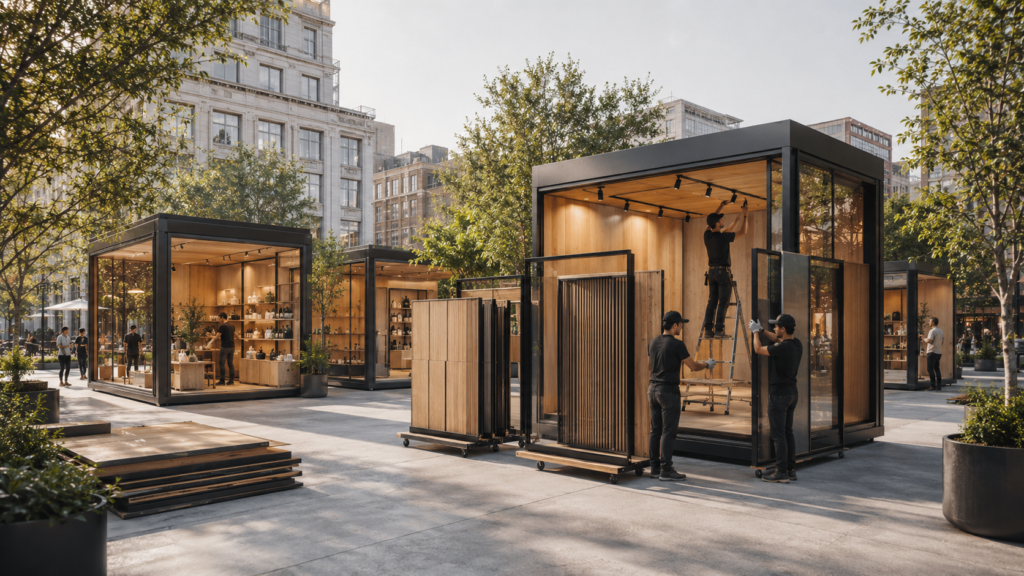
A shopping center’s most overlooked asset may be the space everyone drives across without noticing.
Many retail properties were built around an assumption that is no longer universally true: every square foot of parking needs to be preserved for peak vehicle demand. The result is a familiar sight across the country. Wide paved fields. Edge areas with little energy. Rooftop decks that sit mostly empty outside the busiest periods. Plazas that function more as pass-through space than gathering space.
For property owners, these areas can feel like dead space. They are present, visible, and expensive to maintain, but they do not always generate meaningful revenue or strengthen the property’s identity.
The Problem With Waiting for Redevelopment
The traditional answer to underused property is redevelopment. Build apartments. Add entertainment. Reconfigure a center. Bring in new anchors. Reimagine the site plan.
Those strategies can be valuable, but they are also slow. They require capital, approvals, design work, permitting, financing, and a level of conviction that may be difficult in a changing retail environment. A property owner can spend years studying a redevelopment plan while valuable space continues to sit underused.
The choice should not be between doing nothing and launching a major construction project. There is a more flexible middle option: activate the space now, learn what works, and create value while the long-term plan evolves.
Flexible Retail Turns Passive Space Into Programmed Space
A parking field is not automatically valuable because it is paved. It becomes valuable when it supports activity. Flexible retail can turn underutilized areas into programmed commercial environments: seasonal retail villages, curated DTC showcases, food and beverage clusters, product launch destinations, holiday markets, fitness activations, cultural event spaces, and rotating brand neighborhoods.
The important shift is not simply adding a few temporary structures. It is treating the property as a canvas that can change over time. Different brands can come in for different seasons. A center can test which categories resonate. Operators can create reasons to visit that are not dependent on traditional anchor tenants alone.
This approach gives owners a way to make static real estate feel dynamic.
Activation Creates More Than Rent
The obvious benefit of activating underused space is revenue. A property owner can monetize areas that previously generated little direct income. But the larger value may come from the effects around that revenue.
A well-executed flexible retail environment can bring fresh traffic to the property. It can create social content, improve dwell time, support existing tenants, and give shoppers a reason to visit more frequently. It can also help a property tell a new story to brokers, municipalities, investors, and prospective permanent tenants.
An empty paved area communicates inactivity. A curated retail destination communicates momentum.
The Best Activations Are Designed, Not Random
There is a risk in treating flexible retail as a loose collection of pop-ups. A few tents, inconsistent vendors, and temporary signage can make a property feel improvised rather than elevated.
The better model is more deliberate. The architecture should feel intentional. The tenant mix should be curated. The customer path should make sense. Landscaping, lighting, seating, and programming should support the environment. The goal is not to make a parking lot look temporarily occupied. The goal is to create a place people want to enter, explore, and return to.
That level of design matters because activation is ultimately about perception. Shoppers, brands, and owners all need to feel that the experience belongs on the property.
Where Popular Fits
Popular helps property owners turn overlooked areas into flexible commercial destinations without committing immediately to permanent construction. It can bring structure, design, tenant rotation, and programming to spaces that would otherwise remain passive.
For owners, that means underutilized land is no longer just a future development opportunity. It can become an active part of the property’s current strategy.
The parking lot is not dead space. It is space waiting for a better operating model.